Why Get Your Herbs On? The Undeniable Benefits of Homegrown Herbs
Imagine stepping out to your kitchen counter or into your garden, scissors in hand, to snip a few fragrant sprigs of fresh rosemary for roasted potatoes, or vibrant chives to sprinkle over your morning eggs. This isn't a fantasy reserved for master gardeners; it's the simple, everyday reality that awaits when you get your herbs on. Beyond the sheer delight of having a living pantry at your fingertips, cultivating your own herbs offers a bouquet of benefits that extend from your plate to your pocketbook and even your well-being.
Unparalleled Freshness and Flavor
There's simply no comparison between dried, store-bought herbs and the aromatic intensity of freshly picked varieties. When you grow your own, you're guaranteed peak freshness, which translates directly into superior flavor in your cooking. The essential oils responsible for those tantalizing aromas and tastes are at their most potent when harvested directly from the plant. This immediate "plant-to-plate" journey ensures that your dishes burst with a vibrancy that pre-packaged alternatives can only dream of.
Significant Cost Savings
Have you ever bought a small plastic clam shell of fresh basil, only to use a fraction of it before the rest wilts away? Or paid a premium for a few sprigs of thyme? The cost of fresh herbs at the grocery store can quickly add up, especially if you cook with them frequently. Growing your own is an incredibly cost-effective solution. A single seed packet or a small starter plant can provide you with months, or even years, of continuous harvest, making a significant dent in your grocery bill over time.
Convenience and Accessibility
No more last-minute dashes to the supermarket because you're out of dill for your salmon or cilantro for your salsa. Your herb garden becomes your personal, always-open grocery aisle. Whether nestled on a sunny windowsill or thriving in a garden bed, your favorite herbs are always just an arm's reach away. This convenience encourages more adventurous cooking and ensures you never have to compromise on flavor.
A Rewarding and Therapeutic Hobby
Beyond the practical benefits, gardening, even on a small scale, is a profoundly therapeutic activity. The act of nurturing plants, watching them grow, and ultimately harvesting their bounty provides a sense of accomplishment and connection to nature. It's a mindful practice that can reduce stress, improve mood, and offer a peaceful respite from the demands of daily life. For many, it's not just about the herbs; it's about the joy of growing.
Choosing Your Green Space: Indoor vs. Outdoor Herb Gardens
One of the beauties of herbs is their adaptability. They aren't picky about their address, thriving equally well in a cramped urban apartment or a sprawling suburban yard. The decision to grow indoors or outdoors largely depends on your available space, climate, and personal preference, each offering distinct advantages and considerations. Deciding between an indoor oasis and an outdoor haven is often the first step to Indoor vs Outdoor Herb Gardens: Which Is Best for You? but rest assured, both paths can lead to a thriving herb collection.
Cultivating Herbs Indoors
Pros:
- Year-Round Harvest: The most significant advantage is the ability to enjoy fresh herbs regardless of the season or external weather conditions.
- Pest Protection: Indoor environments generally offer better protection from garden pests and diseases.
- Convenience: Your herbs are right where you cook, making harvesting incredibly easy.
- Aesthetics: Potted herbs can add natural beauty and a pleasant aroma to your home.
Cons:
- Less Productive: Indoor herbs often produce smaller yields and may have a slightly less intense flavor compared to their outdoor counterparts due to less intense light.
- Light Requirements: Natural light, even from a sunny window, may not always be sufficient, often requiring supplemental grow lights, especially in winter or darker climates.
- Specific Soil Needs: Container gardening indoors requires a specific, well-draining soilless mix.
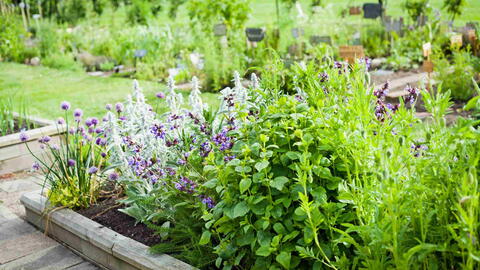
Growing Herbs Outdoors
Pros:
- Higher Yields and Flavor: Outdoor herbs benefit from abundant natural sunlight and a more dynamic environment, leading to robust growth and often more concentrated flavors.
- Natural Ecosystem: Exposure to beneficial insects and natural air circulation can contribute to healthier plants.
- Less Intervention: Established outdoor beds often require less frequent watering than pots, as the soil retains moisture better.
Cons:
- Seasonal Limitations: Depending on your climate, outdoor growing is often limited to specific seasons.
- Pest and Weather Exposure: Plants are more vulnerable to garden pests, diseases, and unpredictable weather conditions (e.g., strong winds, heavy rain, intense heat).
- More Maintenance: Weeding, mulching, and protecting against outdoor elements can be more time-consuming.
Regardless of your choice, the fundamental needs of your herbs remain constant: plenty of sunshine and good, well-draining soil. Understanding these universal requirements is the bedrock of successful herb gardening.
Essential Steps to Get Your Herbs On Successfully
Ready to finally get your herbs on and start your own aromatic haven? With a little planning and a few foundational steps, you'll be well on your way. You don't need a green thumb to begin; just a willingness to learn and observe your plants. For a deeper dive into establishing your garden from scratch, check out our guide on Get Your Herbs On: Simple Steps to Start Your Herb Garden.
1. Plan Your Herb Garden
Before you even think about soil, take a moment to plan. This is crucial for long-term success.
- Assess Sunlight: Observe your chosen spot (indoor window, patio, garden bed) throughout the day. Most herbs, like basil, rosemary, thyme, and oregano, crave at least six hours of direct sunlight daily. A few, like mint, parsley, and cilantro, can tolerate partial shade, while exceptions like angelica prefer more shade.
- Choose Your Herbs: Consider what you love to cook with! Start with a manageable number, perhaps 5-7 varieties. Research their mature size and growth habits; some, like mint, are vigorous spreaders and are best kept in containers.
- Map It Out: Sketching your garden, whether it's a window box or a raised bed, helps visualize spacing and ensures each plant has room to thrive.
2. Select the Right Soil and Containers
Good drainage is non-negotiable for healthy herbs, as waterlogged roots are a quick path to plant demise.
- For Indoor Potted Herbs: Opt for a high-quality soilless potting mix. These mixtures, typically composed of peat moss, vermiculite, and perlite, offer excellent drainage and aeration while being light enough for containers. To maintain a slightly non-acidic pH (which most herbs prefer), add about one teaspoon of dolomite lime per five-inch pot. Always ensure your pots have drainage holes at the bottom.
- For Outdoor Herb Gardens: Prepare your garden bed with well-draining soil enriched with organic matter. Incorporate compost, aged manure, or other premium quality soil amendments to improve soil structure, fertility, and drainage.
3. Water Wisely
The goal is consistently moist, but not soggy, soil.
- Frequency: Check the soil moisture daily by sticking your finger about an inch deep. If it feels dry, it's time to water.
- Method: Water thoroughly until you see water draining from the bottom of pots. For outdoor beds, ensure the water penetrates deep into the root zone.
- Container Care: Herbs in pots, especially outdoors in summer, dry out much faster than those in the ground and may require daily watering.
4. Starting Your Herbs: Seeds or Seedlings?
- Seeds: A more economical option, offering a wider variety. Plant annuals (like basil, cilantro) from seed in late summer for indoor growing, or in spring for outdoor. Perennial herbs (rosemary, thyme, sage) can also be started from seed, but take longer to establish.
- Seedlings/Starter Plants: Provide instant gratification and a head start. These are perfect for beginners or those eager to harvest sooner.
5. Annuals vs. Perennials
Understanding their lifecycles helps with care:
- Annuals: Complete their life cycle in one growing season (e.g., basil, cilantro, dill). You'll replant them each year.
- Perennials: Live for multiple years (e.g., rosemary, thyme, oregano, mint, chives). For outdoor perennials in colder climates, it's best to keep them outside during summer and, if desired, bring them indoors before the first frost, or provide winter protection.
Beyond the Basics: Tips for Thriving Herb Gardens
Once your herbs are established, a few simple practices will ensure they remain productive and flavorful throughout their lifespan.
Pinch and Prune for Bushy Growth
Don't be afraid to harvest! Regularly pinching back the growing tips of your herbs encourages them to branch out, creating a bushier, more productive plant. This also prevents them from "bolting" (going to seed prematurely), which can make leaves bitter. For leafy herbs like basil, trim just above a leaf node to promote new growth. For woody herbs like rosemary and thyme, light pruning encourages new shoots.
Fertilize Sparingly
Most herbs prefer lean soil and don't require heavy fertilization. Too much nitrogen can lead to lush, leafy growth but diminished flavor. If your herbs seem to be struggling, a half-strength organic liquid fertilizer applied every 4-6 weeks during their active growing season should be sufficient. For outdoor beds, well-amended soil often provides all the nutrients they need.
Monitor for Pests and Diseases
While relatively resilient, herbs can occasionally attract pests like aphids or spider mites. Inspect your plants regularly. Early detection is key. For minor infestations, a strong spray of water can dislodge pests. For more persistent issues, use organic solutions like neem oil or insecticidal soap. Good air circulation and proper watering can prevent many fungal diseases.
Harvesting and Preservation
Harvesting regularly keeps your plants healthy and productive. The best time to harvest is usually in the morning after the dew has dried but before the heat of the day.
- Fresh Use: Snip what you need, rinse gently, and enjoy!
- Drying: Tie bundles of herbs (like rosemary, thyme, oregano) and hang them upside down in a cool, dry, dark place.
- Freezing: Chop herbs (like parsley, cilantro, basil, chives) and freeze them in ice cube trays with a little water or olive oil.
- Infusions: Make herb-infused oils or vinegars for culinary gifts or pantry staples.
Conclusion
There's a unique satisfaction that comes from enhancing your cooking with herbs you've grown yourself. From the unparalleled flavor and significant cost savings to the simple joy of nurturing life, the benefits are abundant. Whether you choose a sunny kitchen windowsill or a dedicated garden patch, the journey to becoming a home herb grower is accessible, rewarding, and surprisingly simple. So, what are you waiting for? It’s time to truly get your herbs on and embark on a delicious adventure that will add zest to your meals and tranquility to your life. Happy growing!
